What Does It Really Mean to Be Educated?
Why Education Is Measured by More Than Degrees, Knowledge, or Academic Achievement
Introduction
Society often recognises education through visible achievements. Degrees are awarded, certificates are framed, academic titles are earned, and examination results are celebrated. These accomplishments represent years of dedication and intellectual effort, and they deserve recognition. Yet they also invite a deeper question: Do academic credentials alone make someone truly educated?
The distinction is more important than it first appears. Throughout history, there have been highly educated individuals who have used their knowledge to advance humanity, while others have applied equally impressive knowledge in ways that have deepened injustice, conflict, or inequality. Knowledge, therefore, is unquestionably powerful, but it is not morally self-directing. Its value depends upon the judgement, character, and wisdom of the person who possesses it.
This question has become even more significant in an age of artificial intelligence. Information is no longer scarce. Facts can be retrieved instantly, research can be summarised within seconds, and increasingly sophisticated technologies can generate content that once required years of specialised expertise. If access to knowledge is becoming easier than ever before, then the meaning of education must extend beyond the simple acquisition of information.
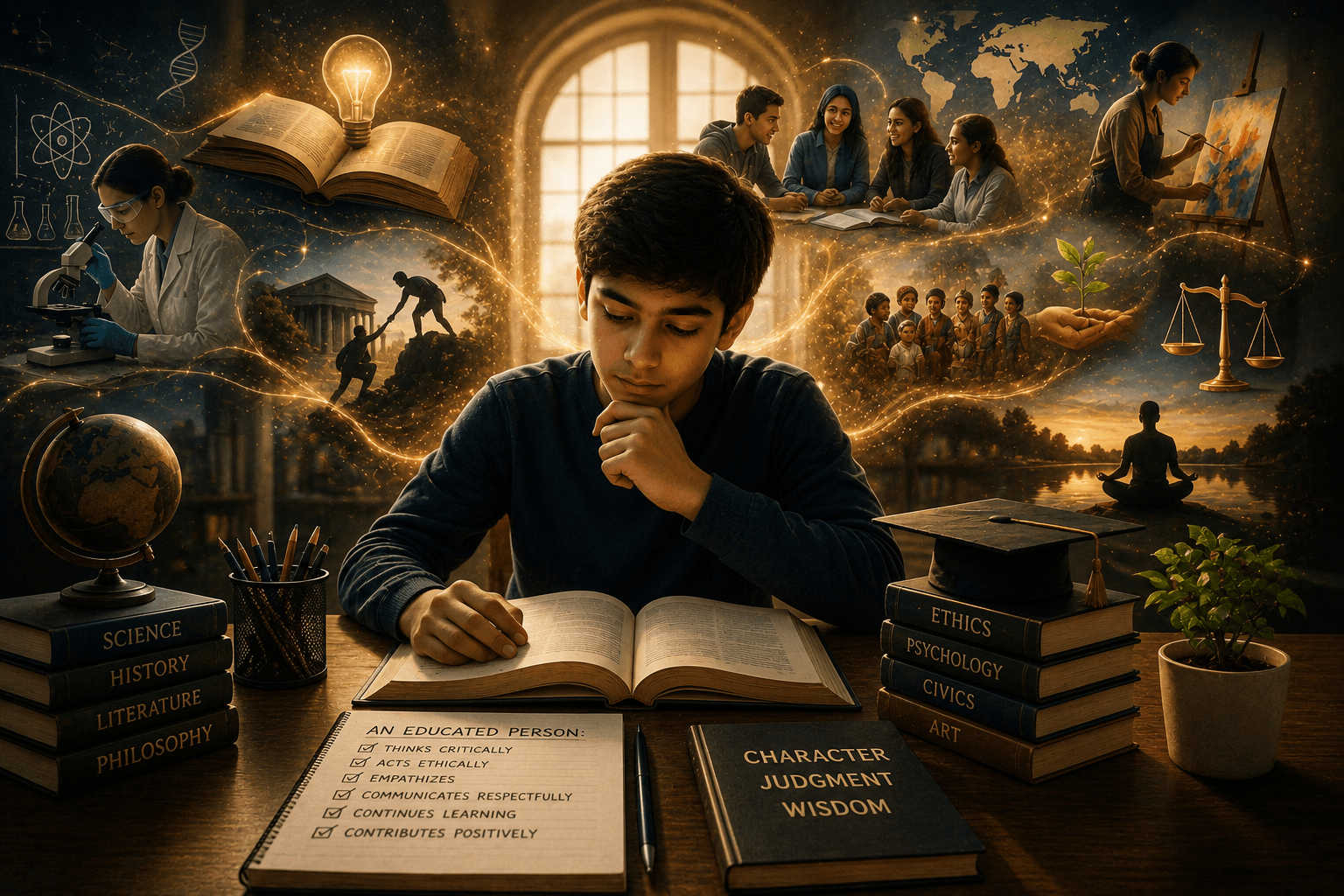
Perhaps being educated has never been defined by how much a person knows, but by what that knowledge enables them to become. An educated individual is not distinguished solely by intellectual ability, but by the capacity to think critically, act ethically, remain intellectually curious, communicate respectfully, continue learning throughout life, and contribute meaningfully to the wellbeing of others.
This distinction may become one of the defining educational questions of the twenty-first century. Before schools can decide how education should evolve, they must first answer a more fundamental question: What does it truly mean to be an educated human being?
Education Is More Than the Accumulation of Knowledge
Knowledge has always been one of education’s most valuable outcomes. It enables scientific discovery, technological innovation, informed decision-making, and cultural progress. Schools and universities rightly devote considerable attention to helping learners develop deep disciplinary understanding because meaningful thinking depends upon a strong foundation of knowledge. The objective, therefore, is not to diminish the importance of knowledge but to recognise that knowledge alone does not fully define an educated person.
The distinction becomes evident when knowledge is separated from judgement. Two individuals may possess comparable levels of expertise, yet arrive at profoundly different decisions when confronted with the same ethical dilemma. One may use knowledge to promote justice, improve communities, and solve complex problems. Another may apply equally sophisticated knowledge in ways that misinform, manipulate, or harm others. The difference lies not in what they know, but in how they choose to use what they know.
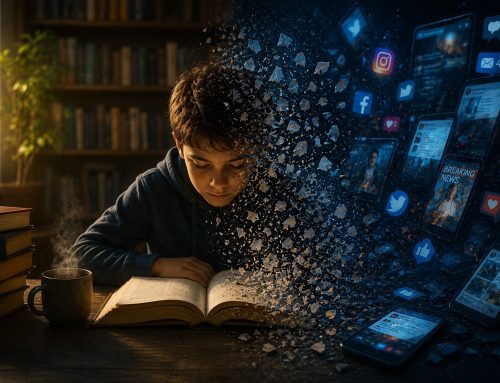
This distinction has become increasingly relevant in the age of artificial intelligence. Information is now more accessible than at any other point in human history. Learners can retrieve facts, analyse data, generate summaries, and access expert knowledge within seconds. If information is no longer scarce, then the defining characteristic of an educated individual cannot simply be the ability to recall it. Education must increasingly be understood as the capacity to interpret knowledge critically, evaluate its reliability, recognise its limitations, and apply it with wisdom and ethical responsibility.
An educated person therefore demonstrates more than intellectual competence. They ask thoughtful questions before accepting easy answers. They remain open to evidence that challenges their assumptions. They distinguish facts from opinion, complexity from oversimplification, and certainty from confidence. Rather than viewing learning as the accumulation of information, they approach it as a lifelong process of inquiry, reflection, and intellectual growth.
Perhaps this is the most significant educational shift of the twenty-first century. In a world where knowledge is increasingly abundant, the true measure of education is not how much a person knows, but how thoughtfully, responsibly, and wisely they engage with what they know. Knowledge remains the foundation of education, but it is character, judgement, curiosity, and ethical reasoning that transform knowledge into genuine understanding.
Education Cannot Be Measured by Qualifications Alone
Academic qualifications are valuable. They represent years of disciplined study, intellectual perseverance, and the successful achievement of clearly defined learning outcomes. Degrees, diplomas, and professional certifications often open doors to employment, research, and leadership opportunities while recognising expertise within particular fields. They deserve respect because they reflect genuine effort and accomplishment.
However, qualifications are indicators of educational achievement rather than definitive measures of an educated person. They acknowledge what an individual has studied, but they cannot fully reveal how that individual thinks, exercises judgement, responds to unfamiliar ideas, or engages with the world beyond formal education. Two graduates may possess identical qualifications yet demonstrate profoundly different levels of intellectual curiosity, ethical responsibility, empathy, and openness to learning.
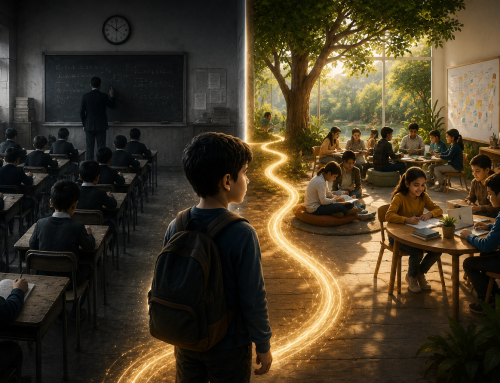
This distinction has become increasingly significant as lifelong learning replaces the traditional notion that education ends with graduation. In rapidly changing societies, professional knowledge evolves continuously, industries transform, and entirely new fields emerge within remarkably short periods. Degrees remain important foundations, but they cannot substitute for adaptability, intellectual humility, and the willingness to continue learning throughout life. The truly educated individual recognises that every qualification represents not the conclusion of learning, but the beginning of deeper inquiry.
An educated person is therefore characterised less by the number of credentials displayed on a wall than by the habits of mind cultivated over a lifetime. They approach new ideas with curiosity rather than certainty, welcome evidence that challenges their assumptions, and recognise that meaningful learning often occurs beyond the boundaries of formal classrooms. They understand that education is not simply something they have completed, but something they continue to pursue.
This perspective also encourages greater humility. Academic achievement is undoubtedly worthy of celebration, yet genuine education often reveals the limits of one’s own knowledge as much as its breadth. The more individuals learn, the more they appreciate the complexity of the world and the value of listening to perspectives different from their own. In this sense, education does not merely increase knowledge; it deepens understanding, strengthens judgement, and nurtures the intellectual humility that underpins lifelong learning.
Ultimately, qualifications may open professional doors, but education shapes the person who walks through them. While credentials demonstrate academic accomplishment, it is character, curiosity, wisdom, and an enduring commitment to learning that distinguish someone who is truly educated.
The Hallmarks of a Truly Educated Person
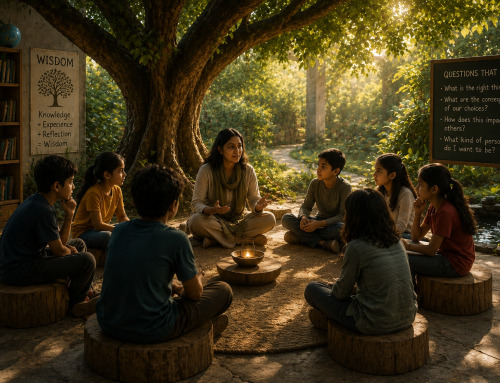
If education cannot be reduced to knowledge, qualifications, or academic achievement alone, then how should we recognise a truly educated person? The answer lies not in a certificate or curriculum vitae, but in the habits of mind and character that become visible through everyday decisions, relationships, and contributions to society. Education ultimately reveals itself through the way individuals think, act, and continue to grow.
A truly educated person approaches the world with intellectual curiosity rather than intellectual complacency. They recognise that learning is not a destination reached upon graduation but an ongoing journey of discovery. Instead of believing they possess all the answers, they continue asking thoughtful questions, seeking new perspectives, and remaining open to evidence that challenges their assumptions. For them, education is sustained by curiosity rather than confined by credentials.
Equally important is the capacity for critical and independent thinking. An educated individual does not accept information uncritically simply because it is popular, authoritative, or widely shared. They evaluate evidence carefully, distinguish fact from opinion, appreciate nuance, and resist simplistic conclusions about complex issues. In an age of artificial intelligence, misinformation, and information abundance, this discernment has become one of the defining characteristics of genuine education.
Education is also reflected in how individuals relate to others. Knowledge without empathy can become arrogance, while expertise without integrity can undermine public trust. A truly educated person demonstrates respect for different cultures, listens with humility, communicates thoughtfully, and understands that disagreement need not diminish dignity. They recognise that education is not only an intellectual endeavour but also a moral and social responsibility.
Perhaps most importantly, an educated person uses knowledge in the service of something greater than personal success. They understand that learning carries responsibilities as well as opportunities. Whether contributing to scientific discovery, leading organisations, educating future generations, strengthening communities, or addressing global challenges, they seek to apply their knowledge ethically and constructively. Their education is measured not only by what they know, but by the positive difference they make in the lives of others.
Ultimately, being educated is less about possessing exceptional intelligence than about demonstrating sound judgement, intellectual humility, lifelong curiosity, ethical responsibility, and a genuine commitment to continuous growth. These qualities cannot always be measured through examinations or qualifications, yet they represent the enduring outcomes toward which education should aspire.
Cafe Learning Reflection
Every education system eventually confronts the same fundamental question: What kind of human being is it trying to develop? The answer to that question shapes every curriculum, every classroom, every assessment, and every educational policy. Yet it is rarely asked as often as it should be.
An educated person is not defined simply by the knowledge they possess, the qualifications they have earned, or the profession they pursue. Those achievements are valuable, but they represent the visible outcomes of education rather than its deepest purpose. Genuine education transforms not only the intellect but also the judgement, character, values, and sense of responsibility that guide how knowledge is used.
In an age where artificial intelligence can increasingly provide information, generate ideas, and solve technical problems, the qualities that distinguish truly educated individuals become even more significant. Intellectual curiosity, ethical reasoning, humility, compassion, critical thinking, wisdom, and a lifelong commitment to learning are not merely desirable educational outcomes—they are essential human capacities that enable societies to flourish in an increasingly complex world.
Perhaps this is the enduring purpose of education. It is not simply to produce knowledgeable graduates, employable professionals, or successful individuals. It is to develop thoughtful human beings who use their knowledge responsibly, continue learning with humility, and contribute meaningfully to the lives of others. When education succeeds in achieving that purpose, its influence extends far beyond classrooms. It shapes families, communities, institutions, and ultimately the future of society itself.
Selected References
Biesta, G. (2020). Educational Research: An Unorthodox Introduction. Bloomsbury Academic.
Dewey, J. (1916). Democracy and Education. Macmillan.
Freire, P. (1970). Pedagogy of the Oppressed. Continuum.
Noddings, N. (2013). Education and Democracy in the 21st Century. Teachers College Press.
Nussbaum, M. C. (2010). Not for Profit: Why Democracy Needs the Humanities. Princeton University Press.
OECD. (2019). OECD Learning Compass 2030: A Series of Concept Notes. OECD Publishing.
Schleicher, A. (2018). World Class: How to Build a 21st-Century School System. OECD Publishing.
UNESCO. (2021). Reimagining Our Futures Together: A New Social Contract for Education. UNESCO Publishing.
UNESCO. (2023). Guidance for Generative AI in Education and Research. UNESCO Publishing.
Whitehead, A. N. (1929). The Aims of Education and Other Essays. Macmillan.